
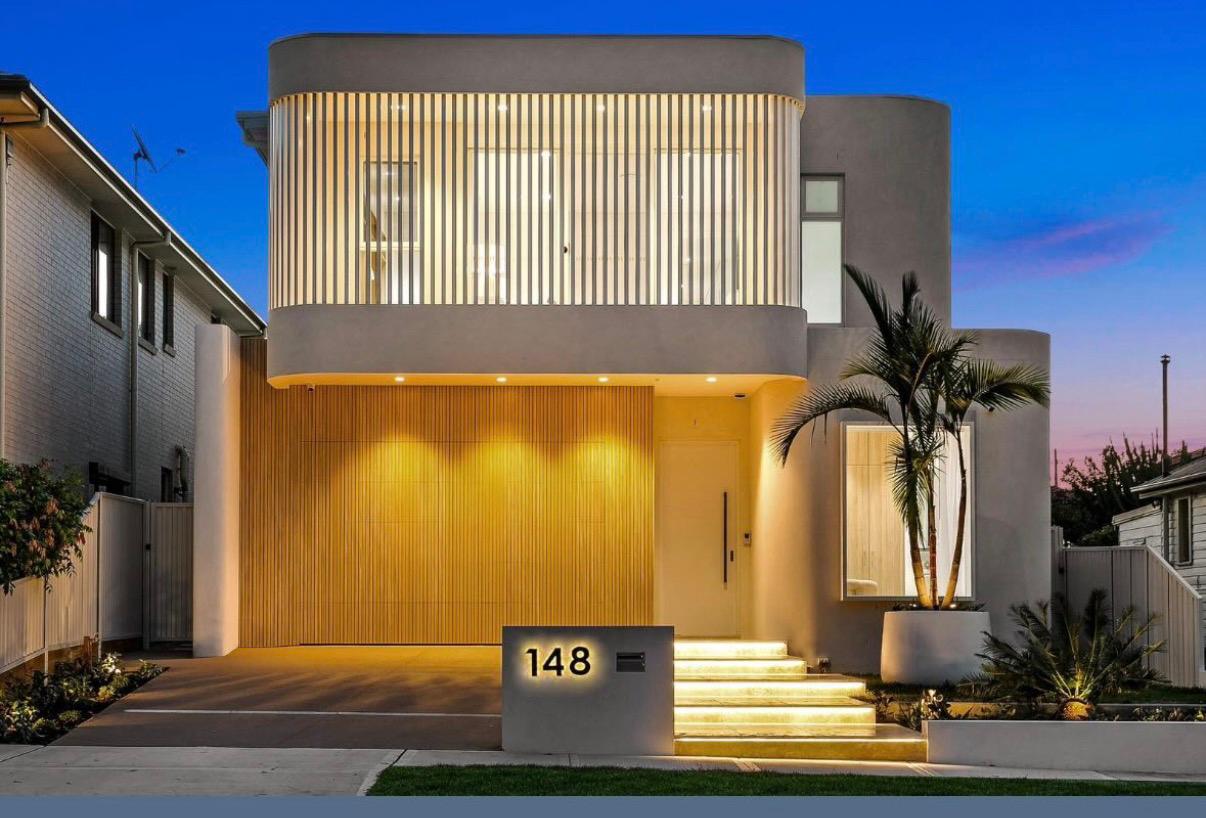
Key Things to Consider Before Building Your Dream Home
Building your dream home is one of the most exciting and important investments you will ever make. For many Australians, it represents years of hard work, careful planning, and a vision of a better lifestyle for the future. However, while the idea of designing your own home from scratch is thrilling, the reality can be complex if you’re not fully prepared.
From budgeting and choosing the right block of land to selecting a reliable builder and planning for long-term living, there are many critical factors that can influence the success of your project. Making informed decisions early can save you from costly mistakes, delays, and unnecessary stress later on. In this guide, we’ll walk you through the key things to consider before building your dream home in Australia, helping you feel confident, informed, and ready to start your building journey.
1. Define Your Vision and Lifestyle Needs
Before you look at floor plans or visit display homes, it’s important to clearly understand what you want from your dream home.
Ask Yourself the Right Questions
Think about how you live now and how you plan to live in the future:
-
How many bedrooms and bathrooms do you need?
-
Do you need a home office or study?
-
Will your family grow in the next 5–10 years?
-
Do you entertain guests often?
-
Do you want open-plan living or more private spaces?
Your home should reflect your lifestyle, not just current trends. A design that looks great today but doesn’t suit your daily routine can quickly become frustrating.
Plan for the Future
It’s wise to build with the future in mind. Consider:
-
Space for children or elderly parents
-
Accessibility features
-
Flexible rooms that can be repurposed later
Planning ahead can prevent expensive renovations down the track.
2. Set a Realistic Budget (and Stick to It)
Budgeting is one of the most critical steps when building a home. Many people underestimate costs, which can lead to financial stress or compromised quality.
Understand the True Cost of Building
Your total budget should include more than just construction costs. Make sure you factor in:
-
Land purchase price
-
Stamp duty and legal fees
-
Site costs (soil testing, excavation, retaining walls)
-
Council approvals and permits
-
Design and drafting fees
-
Utility connections (water, electricity, gas, NBN)
-
Driveways, fencing, landscaping
-
Upgrades and variations
-
Contingency fund (at least 10%)
Avoid Overcapitalising
While it’s tempting to include every luxury feature, it’s important to ensure your home’s value aligns with the surrounding area. Overcapitalising can make resale difficult in the future.
A good builder or consultant can help you balance quality, comfort, and budget.
3. Choose the Right Location and Land
Your home’s location can have just as much impact as the design itself.
Consider the Neighbourhood
When choosing land, think about:
-
Proximity to schools, shops, and public transport
-
Access to major roads and highways
-
Nearby parks and community facilities
-
Future development plans in the area
A great home in the wrong location can affect your lifestyle and property value.
Understand the Land Conditions
Not all blocks of land are equal. Pay close attention to:
-
Block size and shape
-
Slope and drainage
-
Soil type (which affects site costs)
-
Orientation for sunlight and ventilation
-
Bushfire, flood, or heritage overlays
A professional site assessment can help identify potential issues before you commit.
4. Know the Council Rules and Building Regulations
Every council in Australia has its own planning rules and building regulations. Ignoring these can cause delays or force design changes.
Key Regulations to Be Aware Of
-
Zoning restrictions
-
Setback requirements
-
Height limits
-
Floor space ratios
-
Energy efficiency standards (BASIX, NatHERS, or equivalent)
-
Bushfire Attack Level (BAL) requirements
Working with experienced designers and builders who understand local council requirements can save time and frustration.
5. Select the Right Home Design
Your home design should balance functionality, comfort, and aesthetics.
Custom vs Project Homes
-
Custom homes offer complete design freedom but can cost more.
-
Project homes are more affordable and quicker but may have limited flexibility.
Choose the option that best suits your budget, block, and lifestyle.
Practical Design Considerations
-
Natural light and ventilation
-
Storage space
-
Room sizes and layouts
-
Indoor-outdoor flow
-
Noise control between rooms
A well-designed home doesn’t just look good—it feels good to live in.
6. Choose a Reliable and Experienced Builder
Your builder plays a major role in the success of your project.
What to Look for in a Builder
-
Proper licensing and insurance
-
Strong reputation and reviews
-
Clear communication
-
Transparent pricing
-
Experience with similar projects
-
Willingness to explain processes and costs
Ask the Right Questions
Before signing a contract, ask:
-
What is included and excluded in the price?
-
How are variations handled?
-
What is the estimated build time?
-
Who will be my main point of contact?
-
What warranties are provided?
Choosing the cheapest builder is not always the best option. Quality workmanship and reliability matter.
7. Understand the Building Contract
A building contract is a legally binding document, and it’s essential to fully understand it.
Key Things to Review
-
Fixed price vs cost-plus contracts
-
Payment schedule
-
Inclusions and specifications
-
Variation process
-
Completion timeframe
-
Liquidated damages
-
Warranty and defect liability period
It’s highly recommended to have a building lawyer or independent consultant review your contract before signing.
8. Plan for Energy Efficiency and Sustainability
Energy-efficient homes are better for the environment and your wallet.
Benefits of Sustainable Design
-
Lower energy bills
-
Improved comfort year-round
-
Higher resale value
-
Reduced environmental impact
Key Sustainability Features
-
Proper insulation
-
Double-glazed windows
-
Solar panels
-
Energy-efficient appliances
-
Water-saving fixtures
-
Smart home systems
Many Australian states have minimum energy efficiency requirements, but going beyond the minimum can offer long-term benefits.
9. Allow for Upgrades and Variations
It’s common to make changes during the building process, but variations can quickly add up.
Tips to Minimise Variations
-
Finalise your design early
-
Carefully review plans and inclusions
-
Visit display homes for clarity
-
Ask detailed questions before signing
While some changes are unavoidable, proper planning can keep costs under control.
10. Think About Interior Finishes Early
Interior selections can significantly impact the final look and feel of your home.
Key Selections to Consider
-
Flooring
-
Kitchen cabinetry and benchtops
-
Bathroom fittings
-
Lighting
-
Paint colours
-
Joinery and storage
Making these decisions early helps avoid delays and rushed choices later.
11. Prepare for the Build Process
Building a home takes time, patience, and good communication.
What to Expect During Construction
-
Site preparation
-
Slab or footings
-
Framing
-
Lock-up stage
-
Fix-out stage
-
Practical completion
Regular site visits and open communication with your builder can help ensure everything stays on track.
12. Don’t Forget Landscaping and External Areas
Your dream home doesn’t stop at the front door.
External Features to Plan
-
Driveway and pathways
-
Fencing and gates
-
Outdoor entertaining areas
-
Gardens and lawn
-
Retaining walls
Including landscaping in your original budget ensures your home feels complete when you move in.
13. Plan for Ongoing Costs and Maintenance
Once your home is built, there are still ongoing costs to consider.
Ongoing Expenses
-
Council rates
-
Insurance
-
Utilities
-
Maintenance and repairs
Choosing durable materials and quality finishes can reduce long-term maintenance costs.
Conclusion: Build Smart, Build with Confidence
Building your dream home is a rewarding journey, but success lies in careful planning and informed decision-making. By understanding your needs, setting a realistic budget, choosing the right land and builder, and planning for the future, you can avoid common pitfalls and enjoy the process with confidence.
A well-built home is more than just bricks and mortar, it’s a place where memories are made, families grow, and lifestyles thrive. Take your time, seek professional advice, and make choices that align with your vision and long-term goals. When done right, building your dream home can be one of the most fulfilling experiences of your life.