
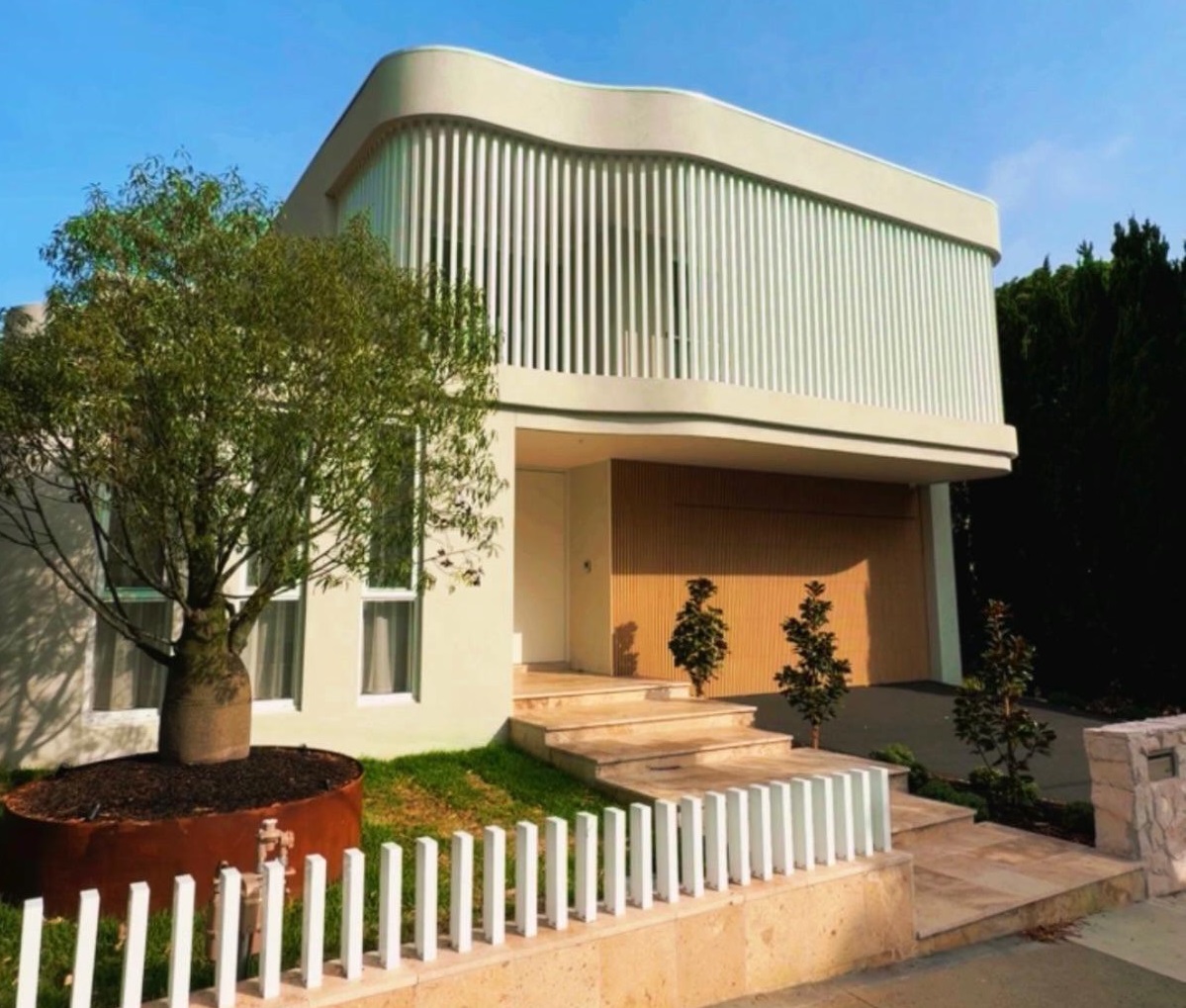
How to Increase Property Value Through Smart Development
Increasing your property’s value is not just about spending more money, it’s about making the right development decisions. In Australia’s competitive property market, especially in cities like Sydney, smart development can significantly boost both short-term resale value and long-term investment returns.
Whether you’re a homeowner planning renovation, a property investor looking to maximise profits, or a developer working on a subdivision or rebuild, understanding how to add value strategically is essential. Poorly planned upgrades can cost thousands without delivering a strong return, while smart development choices can transform an average property into a high-value asset. In this guide, we’ll explore how to increase property value through smart development, using practical, proven strategies that align with Australian market expectations.
1. Understand What Adds Real Value in Today’s Market
Before starting any development project, it’s important to understand what buyers and renters are actually looking for. Property value is influenced by demand, and demand changes with lifestyle trends, demographics, and economic conditions.
In Australia, buyers tend to prioritise functionality, location, energy efficiency, and low maintenance. Overspending on features that don’t align with buyer expectations often results in poor returns.
Key value drivers include:
-
Practical layouts and usable space
-
Modern kitchens and bathrooms
-
Energy efficiency and sustainability
-
Outdoor living areas
-
Location and street appeal
Smart development starts with aligning your plans to market demand, not personal taste alone.
2. Start with a Clear Development Strategy
One of the biggest mistakes property owners make is developing without a clear goal. Every successful value-adding project starts with a defined strategy.
Ask yourself what you want to achieve:
-
Are you planning to sell after development?
-
Do you want higher rental returns?
-
Are you building for long-term capital growth?
Your strategy will guide decisions around budget, design, scale, and finishes. A renovation aimed at resale will differ greatly from one designed for long-term living or rental income.
Without a clear plan, it’s easy to overspend and underperform.
3. Maximise Land Potential and Zoning Opportunities
Land is one of the most valuable components of any property. Smart development often focuses on making better use of the land rather than just upgrading the building. Understanding local zoning and council regulations can unlock significant value.
Common land-based value strategies include:
-
Subdivision of larger blocks
-
Dual occupancy or duplex development
-
Granny flats for rental income
-
Knock-down rebuilds
-
Extensions that increase floor space
Before proceeding, consult town planners or council guidelines to confirm what’s permissible. Developing within zoning limits reduces approval risks and delays.
4. Improve Layout and Functionality, Not Just Appearance
A beautiful home that doesn’t function well will struggle to attract buyers. Smart development focuses on improving how a property is used, not just how it looks. Poor layouts such as narrow living areas, awkward room placement, or lack of storage can reduce value, even in renovated homes.
Functional improvements that add value include:
-
Open-plan living areas
-
Better connection between indoor and outdoor spaces
-
Additional storage
-
Well-positioned bathrooms and laundries
-
Flexible multi-purpose rooms
Improving liveability often delivers better returns than cosmetic upgrades alone.
5. Invest in Kitchen and Bathroom Upgrades Wisely
Kitchens and bathrooms are two of the most influential areas when it comes to property value. Buyers often base decisions on these spaces, but overcapitalising is a common mistake. Smart upgrades focus on quality, durability, and neutral appeal rather than luxury for luxury’s sake.
Value-adding kitchen and bathroom improvements include:
-
Modern layouts with good storage
-
Quality benchtops and fittings
-
Energy-efficient appliances
-
Neutral colour palettes
-
Easy-to-maintain finishes
A well-designed, mid-range upgrade often delivers better returns than high-end finishes that don’t suit the area.
6. Add Bedrooms and Bathrooms Where Possible
Increasing the number of bedrooms or bathrooms can significantly boost property value, especially in family-oriented suburbs. Additional bedrooms increase a home’s flexibility and appeal to a wider market, including families, investors, and renters.
Smart ways to add value include:
-
Converting unused spaces
-
Adding an ensuite to the master bedroom
-
Creating a guest bedroom with a bathroom
-
Designing flexible study-to-bedroom spaces
These changes should be well planned to ensure rooms are functional and compliant with building regulations.
7. Enhance Street Appeal and First Impressions
First impressions matter. A property’s exterior sets expectations before buyers even step inside. Improving street appeal is often one of the most cost-effective ways to increase value.
Simple yet effective improvements include:
-
Fresh exterior paint
-
Landscaping and clean gardens
-
Updated fencing and gates
-
New driveway or pathways
-
Modern entry doors
A well-presented exterior can significantly improve buyer interest and perceived value.
8. Incorporate Energy Efficiency and Sustainable Features
Energy efficiency is no longer optional, it’s a key selling point in the Australian market. Homes that are cheaper to run and environmentally friendly are more attractive to buyers and tenants. Smart development integrates sustainability without excessive cost.
High-impact energy-efficient upgrades include:
-
Insulation upgrades
-
Double-glazed windows
-
Solar panels
-
Water-efficient fixtures
-
Energy-efficient lighting
These features improve comfort, reduce running costs, and enhance long-term value.
9. Create Usable Outdoor Living Spaces
Outdoor living is highly valued in Australia’s climate. A well-designed outdoor area can feel like an extension of the home and significantly increase its appeal. Rather than large unused yards, buyers prefer functional outdoor spaces.
Value-adding outdoor features include:
-
Covered alfresco areas
-
Decks or patios
-
Outdoor kitchens or BBQ areas
-
Low-maintenance landscaping
Even smaller blocks can benefit from smart outdoor design.
10. Avoid Overcapitalising in the Wrong Areas
One of the most common development mistakes is spending too much for the area. Overcapitalising means your development costs exceed what the market is willing to pay.
To avoid this:
-
Research comparable sales in your area
-
Understand buyer expectations
-
Match finish levels to the suburb
-
Focus on practical improvements
Smart development balances quality with market reality.
11. Work with Experienced Professionals
Successful property development relies on the right team. Working with experienced professionals reduces risk and improves outcomes.
Key professionals to engage include:
-
Builders with local experience
-
Designers or architects
-
Town planners
-
Surveyors
-
Property valuers
Their expertise helps avoid costly mistakes and ensures compliance with regulations.
12. Understand Timing and Market Conditions
Timing plays a major role in maximising value. Developing in the wrong market conditions can limit returns, even with a well-executed project.
Before starting, consider:
-
Current market demand
-
Interest rates
-
Local supply levels
-
Buyer trends
Smart developers align projects with favourable market conditions where possible.
13. Focus on Quality Workmanship
Poor workmanship can destroy property value, regardless of how good the design is. Buyers quickly notice defects, shortcuts, and low-quality finishes. Quality construction improves durability, reduces maintenance, and builds buyer confidence.
Always prioritise:
-
Licensed trades
-
Quality materials
-
Proper inspections
-
Attention to detail
Long-term value comes from doing things properly the first time.
Conclusion: Build Smart to Maximise Property Value
Increasing property value through smart development is about making informed, strategic decisions rather than spending blindly. By understanding the market, maximising land use, improving functionality, and focusing on quality and sustainability, property owners can achieve strong returns.
Whether you’re renovating, rebuilding, or developing for investment, the key is planning carefully, working with experienced professionals, and aligning your development with buyer expectations. Smart development not only increases property value, it creates homes that people genuinely want to live in.